The Economic Benefits of Secondary Markets: A Closer Look
By LPshares.com · April 4, 2024
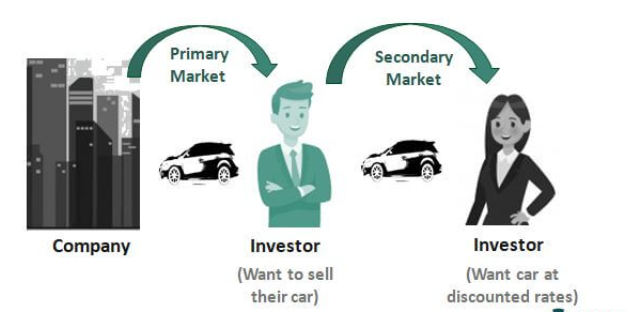
In the intricate web of the financial ecosystem, secondary markets play a pivotal role in fostering economic stability and growth. By offering a platform for the buying and selling of previously issued assets, these markets not only ensure liquidity but also contribute significantly to the broader economy. In this article we’ll explore how the secondary market model breathes new life into investments through the lens of Limited Partner (LP) shares in these sectors.
Enhancing Liquidity
Traditionally, investments in commercial real estate and oil & gas have been viewed as long-term commitments with limited liquidity options. However, the secondary market model offers a game-changing perspective. By facilitating the buying and selling of LP shares post-initial offering, investors gain a newfound flexibility to manage their investment portfolios more dynamically, responding swiftly to market shifts without being locked into prolonged investment periods.
Price Discovery and Valuation
One of the secondary market’s core strengths is its role in price discovery, crucial for informed investment decisions. This mechanism becomes even more vital in the context of commercial real estate and oil & gas investments. As LP shares change hands, their market-driven pricing provides real-time insights into the perceived value and risk associated with specific projects or assets, offering a transparent and efficient means to gauge investment health and potential. As noted by the Financial Industry Regulatory Authority (FINRA), price discovery plays a critical role in maintaining market efficiency and transparency.
Expanding Access and Democratizing Investments
The advent of platforms like LPShares.com has democratized access to commercial real estate and oil & gas investments, historically the domain of institutional investors or those with significant capital. By lowering the entry barrier and providing a marketplace for LP shares, a broader spectrum of accredited investors can now partake in the potential returns and diversification benefits these sectors offer. This inclusivity not only enhances capital flow into these critical industries but also enriches the investment landscape with a wider range of participant perspectives and strategies.
The Ripple Effect on Economic Growth
The implications of integrating the secondary market model into these sectors extend far beyond individual portfolios. By increasing liquidity and investment accessibility in commercial real estate and oil & gas, secondary markets contribute to the more efficient allocation of capital across the economy. This, in turn, supports project development, infrastructure expansion, and technological innovation, driving sectoral growth and, by extension, broader economic progress.
Navigating the Future
As we stand on the brink of this evolutionary shift, the role of platforms facilitating these transactions becomes increasingly significant. They not only offer a bridge between buyers and sellers but also ensure the integrity and transparency of these complex transactions. For investors looking to venture into the dynamic realms of commercial real estate and oil & gas, the secondary market model presents a compelling proposition: the opportunity to invest with flexibility, informed by real-time market insights, within an accessible and democratized framework.
The secondary market’s introduction into commercial real estate and oil & gas investments represents a paradigm shift, promising enhanced liquidity, informed decision-making, and broader access. As this model continues to gain traction, it paves the way for a more vibrant, resilient, and inclusive investment ecosystem, heralding a new era of opportunity for investors and a promising horizon for economic growth.