Future of American Energy: Balancing Fossil Fuels, Renewables, and Nuclear Power in 2025 and Beyond
By Caitlyn Hill · January 7, 2025
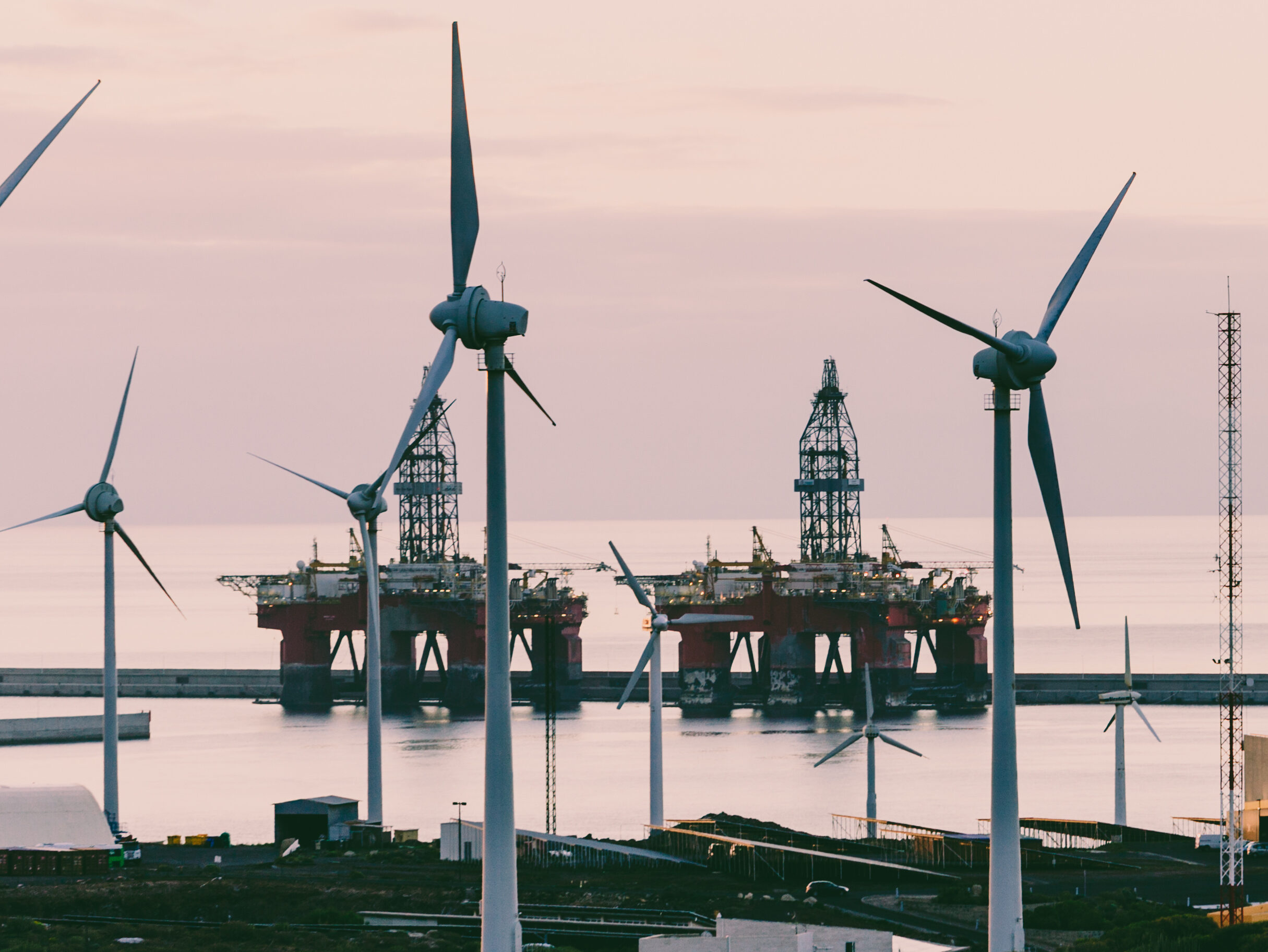
As the American energy sector evolves, balancing the risks, opportunities, and costs of fossil fuels, renewables, and nuclear power will be crucial for meeting global energy demands. The future of energy hinges on optimizing these power sources to ensure sustainability, security, and economic viability while addressing environmental and geopolitical challenges.
As the Trump administration prepares to take office in 2025, the U.S. energy landscape anticipates significant shifts. Campaign promises centered on increasing oil and gas production, achieving “energy independence,” reducing energy costs, and scaling back reliance on renewables. Here’s a look at what the future may hold for the industry.
Oil and Gas Industry: Poised for Expansion
The oil and gas sector is bracing for accelerated growth, driven by favorable policies, a potential increase in mergers and acquisitions (M&A), and the easing of federal permitting processes.
The oil and gas sector is poised for heightened M&A activity, spurred by reduced interest rates and anticipated regulatory reforms. Mega-deals in 2023 and 2024, such as Exxon Mobil’s acquisition of Pioneer Natural Resources and Chevron’s acquisition of Hess Corp., signal a trend toward large-scale consolidations. A focus on portfolio optimization may also drive midstream and upstream deal-making, fueled by opportunities in liquefied natural gas (LNG) and congested pipeline networks in key regions like the Permian Basin.
Trump plans to shrink national monuments to enable more drilling on public lands, reversing Biden-era restrictions. The administration is expected to unfreeze LNG export terminal permits and support pipeline construction, creating fresh opportunities for natural gas producers and midstream operators.
Proposed reversals of Biden administration policies on environmental justice, permitting processes, and renewable energy incentives will ease operational challenges for oil and gas companies. A withdrawal from the Paris Agreement will shift focus back to traditional domestic energy production.
Ultimately, the world’s energy supply is dependent on consumption of fossil fuels for now, but our planet’s rate of climate change is projected to make the planet very difficult to inhabit by the end of the century. The hope of a more renewable energy sector will likely be bridged by natural gas, to low-carbon alternatives that could include solar, wind, hydro, geothermal or nuclear.
The renewable energy and nuclear sectors in the U.S. are at pivotal junctures, reflecting both progress and challenges as the country advances toward its clean energy goals. Significant public and private investments have poured money into renewables and supportive policies because of policies like the Inflation Reduction Act (IRA). With the next shift of political power, the landscape is rapidly evolving, and acts like the IRA put in place are due for partial to full repeal.
Renewables: Driving Clean Energy
Renewable energy, particularly solar and wind, is spearheading the clean energy movement. Investments exceeding $227 billion, fueled by the IRA and other policies, are have aided to accelerate utility-scale solar, wind, and energy storage projects.
Solar power is the fastest-growing segment, with utility-scale projects attracting $92 billion in investments. The IRA has spurred a record 72 GW of solar capacity additions to the interconnection queue, far surpassing prior years. Tax incentives and innovative hybrid deployment strategies are enabling solar and energy storage projects to overcome grid and siting challenges, solidifying their role in the energy mix.
While offshore wind holds immense potential, it faces significant hurdles, including regulatory bottlenecks, supply chain constraints, infrastructure needs, and now potentially weaker federal incentive. These challenges may delay the sector’s growth, even as it remains a cornerstone of future renewable energy strategies.
Despite its reputation as a reliable source of carbon-free energy, nuclear power in the U.S. has experienced minimal growth. Recent data shows that for the first time, electricity generated from renewable sources has surpassed that from nuclear plants. While nuclear remains crucial for base-load energy, its stagnation contrasts with the dynamic expansion of solar and wind.
The rise of renewables highlights their scalability and cost-effectiveness compared to nuclear energy. As solar and wind rapidly expand, nuclear’s share in the energy mix is gradually diminishing, raising questions about its future role in the nation’s energy strategy.
Setting Nuclear Deployment Targets: A Path to Net-Zero
The U.S. is advancing its nuclear energy capabilities to meet future power demands and achieve net-zero emissions by 2050. At COP29 in Baku, Azerbaijan, the U.S. set targets to add 35 gigawatts (GW) of new nuclear capacity by 2035 and sustain an annual deployment of 15 GW by 2040. This initiative is part of a broader strategy to expand domestic capacity and secure a nuclear fuel supply chain independent of Russian influence.
In 2024, significant milestones are anticipated in the U.S. nuclear sector. Plant Vogtle’s Unit 4 in Georgia is expected to enter commercial operation, adding over 1,100 megawatts of clean power to the grid. This follows Unit 3, which began service in 2023, making Plant Vogtle the largest clean power generator in the country.
Additionally, the Department of Energy (DOE) is focusing on the development of high-assay low-enriched uranium (HALEU) fuel at Idaho National Laboratory. HALEU is essential for advanced reactor technologies, and DOE’s efforts aim to establish a reliable domestic supply to support the next generation of reactors in the U.S.
These developments underscore the U.S. commitment to enhancing its nuclear energy infrastructure, which is vital for achieving climate goals and ensuring energy security. The combination of setting deployment targets, bringing new reactors online, and developing advanced fuels positions the U.S. to maintain its leadership in clean energy innovation.
Balancing the Future of Energy: Fossil Fuels, Renewables, and Nuclear
Supportive policies like the IRA and Infrastructure Investment and Jobs Act (IIJA) are pivotal in driving renewable energy adoption. However, consistent policy frameworks and continued investment will be essential to overcoming challenges, particularly in offshore wind and grid modernization. Innovation in energy storage, grid infrastructure, and renewable technologies will determine the pace of the energy transition. Advances in hybrid systems and carbon capture may also create synergies between renewables and traditional energy sources.
The U.S. energy landscape is at a crossroads, with fossil fuels, renewables, and nuclear energy each presenting distinct advantages and challenges. Fossil fuels remain a reliable and entrenched energy source, supporting economic stability and global exports, but their environmental costs and long-term sustainability are critical concerns. Renewables like solar and wind are leading the charge toward a cleaner future with rapidly declining costs and innovative technologies, yet they face hurdles such as grid integration and resource intermittency. Meanwhile, nuclear energy offers a unique balance of reliability and carbon-free generation, with ambitious deployment targets aiming to meet net-zero goals and secure energy independence. The path forward lies in leveraging the strengths of each energy source, investing in innovation, and aligning policies to create a diversified, resilient, and sustainable energy portfolio that addresses both immediate demands and future environmental imperatives.