Liquidity Moves to the Center of Private Markets in 2026
January 5, 2026
Liquidity is emerging as one of the defining forces in private markets heading into 2026. In a recent outlook, Coller Capital pointed to continued growth in secondary activity as private equity works through a backlog of unrealized value after years of slower exits and muted distributions. The message is clear. Liquidity demand is no longer episodic. It has become structural.
Capital across private equity, real estate, and venture has remained locked up longer than expected, limiting LPs’ ability to recycle capital and manage exposure. As deal activity begins to recover, that pressure only intensifies. Investors are paying closer attention to duration, concentration, and flexibility, recognizing that access to liquidity is now a core component of portfolio construction rather than a secondary consideration.
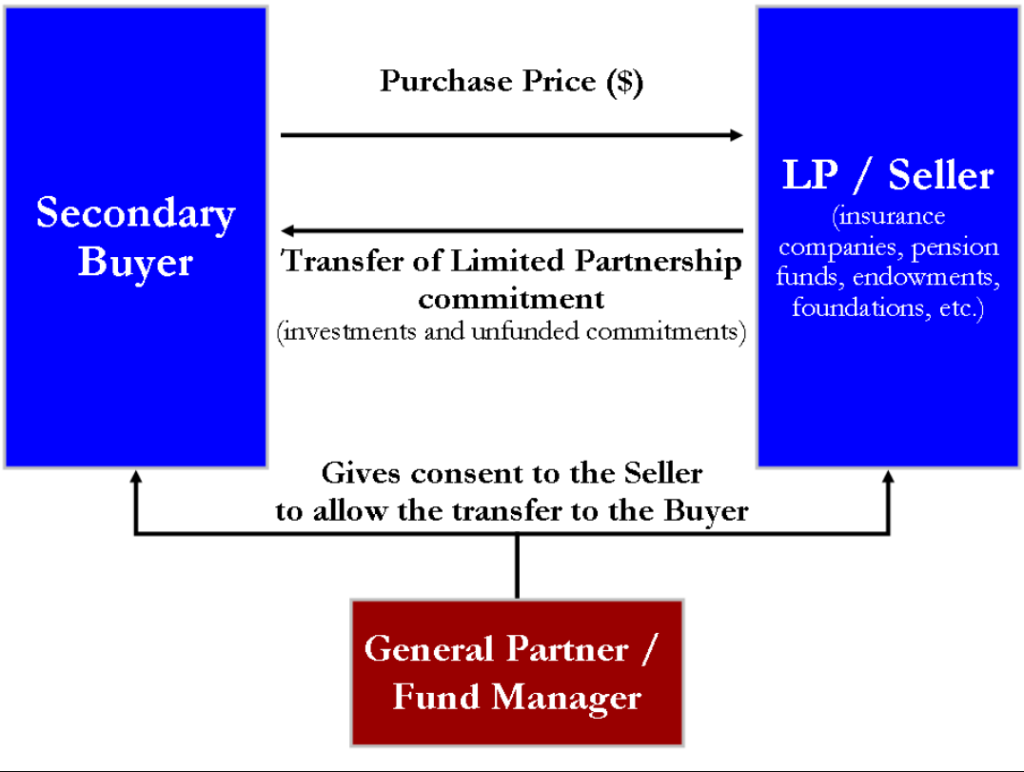
Secondary transactions are increasingly serving this role. Once viewed as niche or institutional only, sponsor approved transfers are becoming a practical tool for individual LPs looking to rebalance or exit mature positions. Buyers are responding with strong interest in seasoned assets that offer clearer performance history and potentially shorter hold periods.
This shift reflects a broader recalibration across private markets. Liquidity is being treated as infrastructure, not an exception. Platforms such as LPShares have emerged to support this evolution by providing transparency and connectivity while keeping approval and control with sponsors.
The takeaway from Coller’s 2026 outlook is simple. As private markets mature, flexibility and clarity matter as much as access. Liquidity is no longer on the sidelines. It’s becoming central to how private capital is managed.
LPshares is a secondary marketplace for limited partner interests in private real estate and alternative assets.