New Energy Law May Lead to Higher Power Costs Amid Rising AI Demand
July 21, 2025
The recently passed “One Big Beautiful Bill Act,” now federal law, reverses several clean-energy tax credits established by the Inflation Reduction Act. According to analysts at Wood Mackenzie and Energy Innovation, this shift is likely to slow the retirement of older fossil-fuel plants and delay renewable energy projects. Utilities may therefore lean more on traditional energy sources to meet expected increases in demand, including those driven by AI data centers.
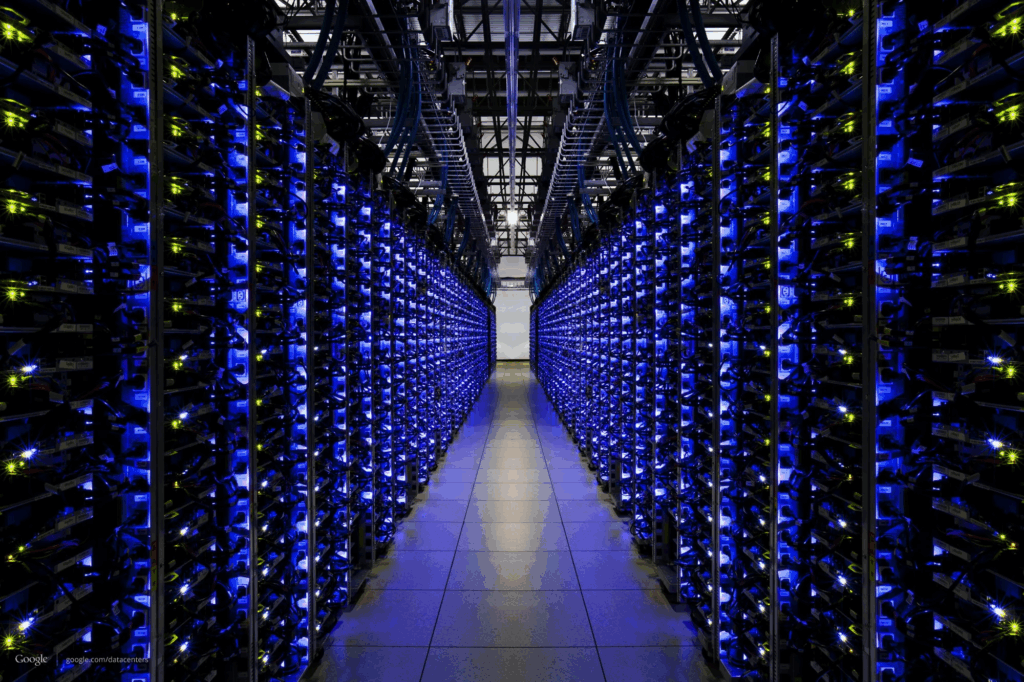
Research from the International Energy Agency highlights that large AI-focused data centers can consume as much electricity as 100,000 homes, with some new campuses demanding twenty times more. Despite more than $90 billion in announced investments from tech and infrastructure firms, the lack of clean-energy incentives introduces uncertainty into the development of new power generation. Analysts suggest this could slow the expansion of America’s renewable energy capacity just as demand surges.
Consumers may feel the effects as utilities adjust their pricing to reflect the higher costs of delayed clean-energy projects and continued reliance on fossil fuels. Estimates indicate that household electricity bills across the country could increase by $40 to $640 annually by 2035, with states in the South and Midwest most affected.
These changes may also affect broader infrastructure and technology projects. Developers and investors looking at energy-intensive facilities, including AI campuses and industrial sites, may need to reassess energy sourcing and cost assumptions. In some cases, the law could necessitate new site selection strategies, long-term power agreements, or even onsite energy generation to adapt to the evolving energy landscape.