Offshore Drilling Expansion: How Trump’s Policy Could Reshape Independent and Major Oil Operations
February 24, 2025
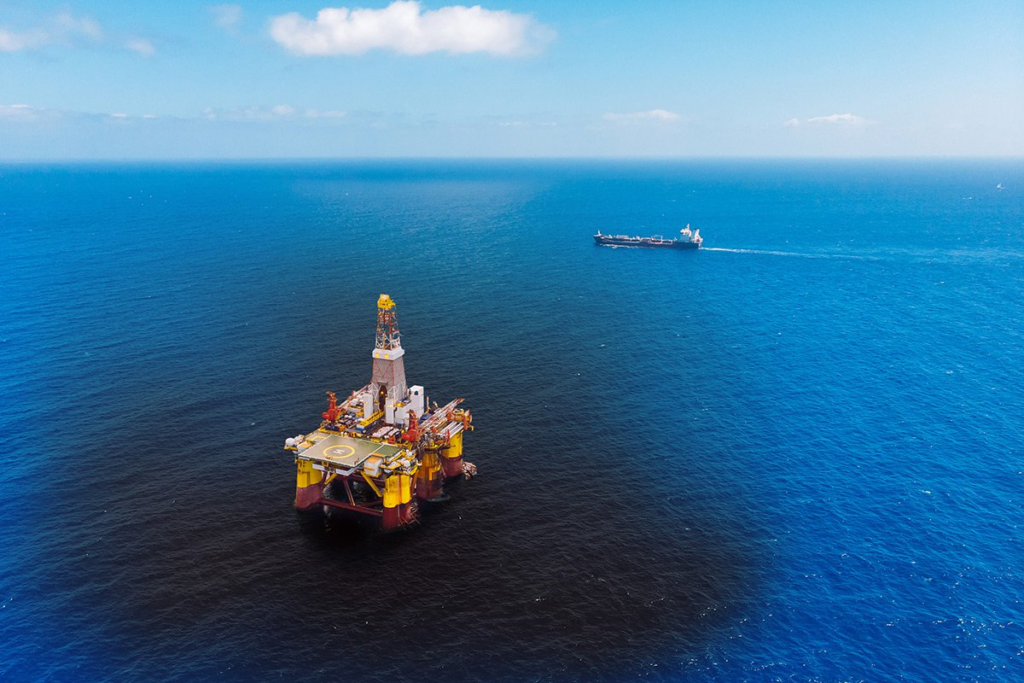
President Donald Trump’s executive order aims to repeal offshore drilling protections and open vast portions of U.S. waters to oil and gas exploration. The administration argues this move will boost domestic production, create jobs, and reduce reliance on foreign energy.
However, opposition remains strong. Environmental groups warn of risks to marine ecosystems and the likelihood of oil spills, while some Republican leaders and coastal states fear economic repercussions on tourism and local industries. Indigenous communities in Alaska have also raised concerns over threats to their lands and way of life.
A key question is whether this expansion will lead to a rise in both independent and major drilling operations. While large energy firms are more likely to take advantage of offshore leases due to high costs and technical expertise, regulatory rollbacks could create opportunities for smaller, independent drillers. These firms may find offshore drilling more accessible if permitting processes are streamlined and financial incentives are introduced. However, legal battles and state-level resistance may still slow widespread adoption.
Dependent drilling—dominated by major oil corporations—may see steady growth if offshore investments become more attractive and global demand supports higher production levels. However, if public backlash leads to stricter regulations, oil majors might hesitate to commit significant resources to offshore projects.
With uncertainty surrounding the policy’s future, the impact on both independent and dependent drilling remains unclear. Much will depend on industry interest, state-level opposition, and legal challenges shaping offshore energy development in the coming years.