Pandemic Has Lasting Effects on the Commercial Real Estate Market
By Katie Borchetta · June 11, 2024
Despite the global pandemic officially lifting restrictions over a year ago, its profound effects continue to reverberate throughout the commercial real estate market. The shutdown and remote working, initially seen as a temporary disruption, have left a lasting imprint on the office space sector, which still grapples with unique challenges as people maintain their preference for working from home.
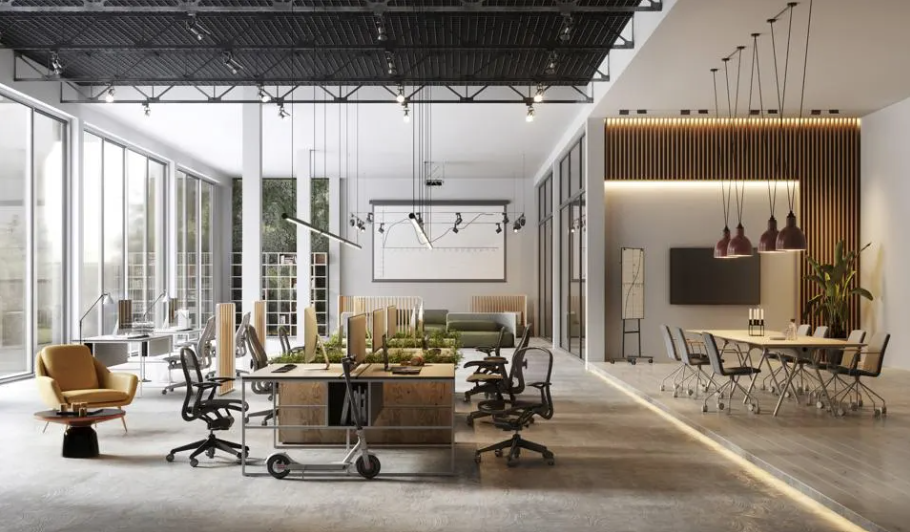
Over the past four years, Americans’ working practices have drastically changed. We have traded in long commutes, office work environments, and strict dress codes for staying in our homes in pajamas. While the remote style of working started out as a temporary solution to keep businesses running during the pandemic, businesses got used to the new model, and some businesses even increased productivity.
The thought of potentially decreased efficiency went away upon the realization that remote employees were free from the stress of certain office activities, like making a work commute. Now, long commutes are rare and video calls and casual attire is more acceptable across workplaces. While this switch seems to have many positive consequences, it has also set significant challenges for commercial real estate and its landlords, who now have to adapt as well.
On top of employee benefits, Companies save office rent by downsizing or completely getting rid of physical spaces. With this landlords need to consider offering leases that allow tenants to adjust their square footage beads, provide options to vacate without penalties and offer modernized office spaces suited for gig workers.
So, how do landlords adapt to these post-pandemic conditions?
To attract and retain tenants, they need to transform office spaces into more inviting and functional areas. For example, when employers made their employees return to work, many faced resistance, so many companies turned to a hybrid office style, meeting in the middle and only making employees show up in the office three days a week.
It was also found companies started to seek out commercial spaces with specific characteristics that were meant to prioritize worker comfort and happiness. For instance, having inviting layouts, natural lighting and enhanced amenities, such as break rooms were all factors that were important to businesses. Also having a mixture of collaborative and private spaces and more imaginative and creative office layouts, moving away from the trend of conventional rows of desks. If landlords make some of these changes, it is likely it will attract new leases and overall be more successful with the altered business landscape.
To compete in the current CRE environment, one must be flexible. Since traditional NNN leases are no longer appealing, landlords should look into offering shorter lease terms, with potential incentives to renew, leases that allow tenants to expand office space or the ability to sublease portions of the space. Implementing these policies would be mutually rewarding for both tenants and landlords.
This new era has completely reshaped the CRE market, but by embracing flexibility and updating the office atmosphere to focus on today’s workplace trends, landlords and owners can steer through the post-pandemic challenges and attract tenants in the new market.