The Liquidity Gap No One Planned For
April 1, 2026
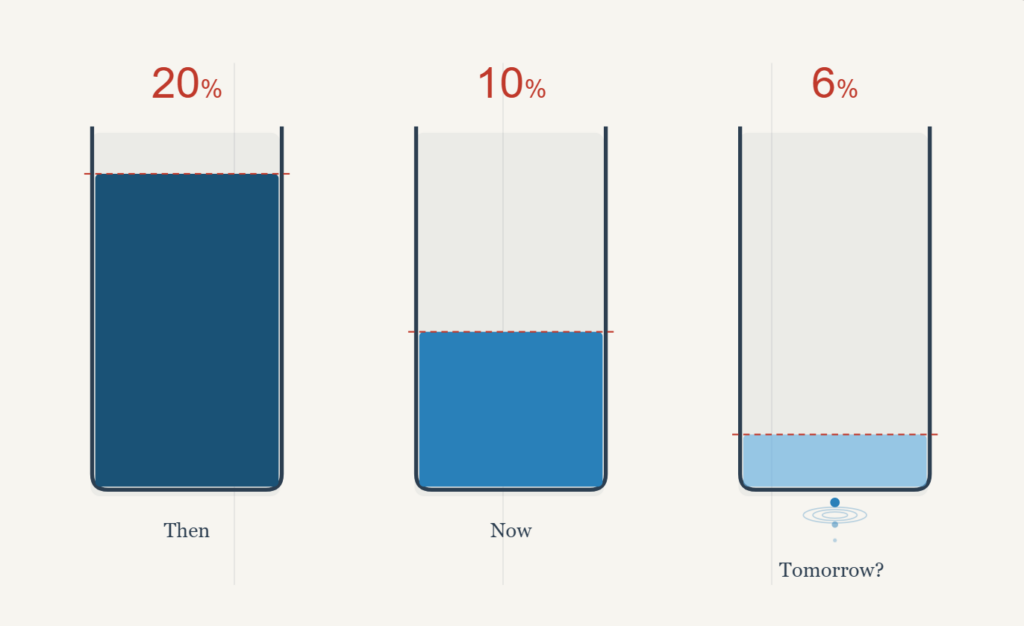
McKinsey’s 2026 Global Private Markets Report landed with a number that should get every LP’s attention. Distributions as a share of total private equity AUM dropped to roughly 6% over the most recent twelve month period. The cash simply isn’t coming back the way it used to.
The reason is straightforward. Holding periods have hit record levels. More than 16,000 portfolio companies globally have been held for over four years, representing 52% of all buyout backed inventory and the highest share on record. The average hold now exceeds six and a half years. Meanwhile, the conditions that once made exits feel routine have faded. Falling rates, expanding multiples, and cheap leverage are no longer doing the heavy lifting. McKinsey puts it plainly: this is now a capabilities business, not a tailwind business.
That doesn’t mean the assets are broken. Many are performing well. But the timeline those assets are operating on has drifted far from the timeline their investors are living on. McKinsey’s survey of 300 global LPs confirms the frustration. DPI has risen sharply as a priority metric. Investors aren’t just watching IRR anymore. They want actual dollars back.
This is exactly where secondaries step in. The global secondary market hit a record $240 billion in volume in 2025, up 48% year over year. That growth is happening because the math demands it. When distributions slow and holding periods stretch, secondaries become the release valve the rest of the system doesn’t provide.
For sellers, it’s a path to liquidity without waiting years for a full exit. For buyers, it’s access to seasoned positions with real history behind them. For sponsors, it’s a way to support investor transitions without disrupting the deal.
Liquidity is no longer optional in private markets. Secondaries aren’t just part of the conversation anymore. They’re becoming part of the answer.
LPshares is a secondary marketplace for limited partner interests in private real estate and alternative assets.