U.S. Oil and Gas Expansion Under Trump 2.0: Key Regions Poised for Growth
By Caitlyn Hill · January 21, 2025
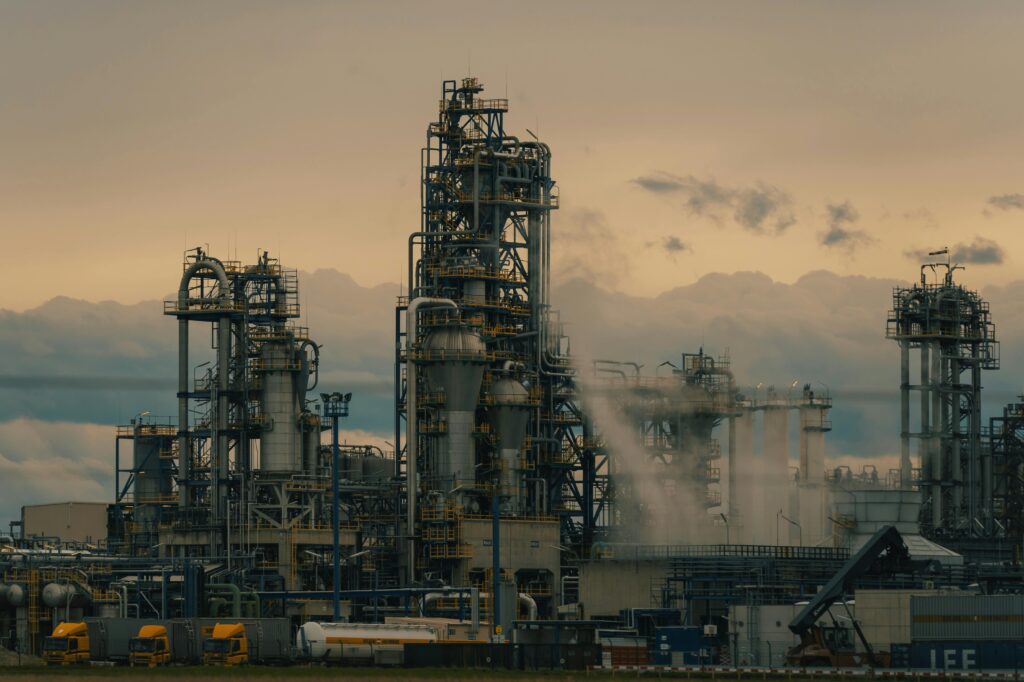
As President Donald Trump’s second term begins, his administration’s “energy dominance” agenda is creating significant opportunities for investors, particularly in the oil and gas sector. With policies designed to prioritize domestic production, reduce regulatory hurdles, and reopen previously restricted areas, several U.S. regions are positioned for growth. For those in alternative investments, these developments offer both direct and indirect opportunities to capitalize on the evolving energy landscape.
Alaska: A New Frontier for Energy Investments
Alaska is at the heart of the Trump administration’s energy expansion, particularly with the reopening of the Arctic National Wildlife Refuge (ANWR) for oil and gas exploration. The U.S. Geological Survey estimates that ANWR holds billions of barrels of recoverable oil, making it a high-potential investment for private equity firms and energy-focused funds seeking long-term returns.
The North Slope and National Petroleum Reserve in Alaska (NPR-A) are also expected to attract significant activity. Projects like ConocoPhillips’ Willow development highlight the potential for high-yield investments in untapped reserves. Investors specializing in infrastructure or midstream assets could find opportunities in supporting the logistics and transport needs of these remote projects.
Gulf of Mexico: Offshore Drilling Resurgence
The Gulf of Mexico remains a cornerstone of U.S. oil production, and Trump’s policies aim to reinvigorate this region. By expanding offshore leasing opportunities and streamlining permitting processes, the administration seeks to attract investment from major energy companies. For alternative investors, this could translate into lucrative opportunities in offshore infrastructure development and supply chain enhancements.
The Gulf’s deepwater reserves hold vast untapped potential, particularly as advancements in drilling technology reduce operational costs. The Gulf currently sources over 95% of the nation’s offshore fossil fuels. Private investors and venture capital firms with an eye on energy technology could benefit from innovations that make offshore operations more efficient and profitable.
Western States: Shale and Federal Land Expansion
Wyoming, New Mexico, and other western states are poised for growth due to increased access to federal lands for oil and gas exploration. New Mexico’s portion of the Permian Basin, already a global leader in oil production, is expected to see heightened activity as leasing accelerates. Investors in alternative assets could explore opportunities in mineral rights acquisitions or joint ventures with local operators.
The Niobrara Formation in Colorado and the Powder River Basin in Wyoming also present opportunities for shale-focused investments. With Trump’s pro-energy policies reducing regulatory hurdles, these regions could attract significant private capital interested in unconventional oil and gas plays.
Opportunities in Ancillary Markets
The ripple effects of increased oil and gas production extend beyond drilling operations. Infrastructure investments in pipelines, storage facilities, and transportation networks are critical to supporting the expected surge in production. Alternative investment firms could capitalize on these needs by funding projects that address logistical bottlenecks.
Additionally, the energy sector’s expansion creates opportunities in technology and services. American-based companies developing advanced drilling techniques, environmental monitoring systems, or safety equipment could become attractive targets for venture capital and private equity investments, and also benefit from the proposed corporate tax cut for companies manufacturing in America.
Balancing Risks and Rewards
While the prospects for expanded production are promising, they come with challenges. Environmental opposition and legal battles, particularly in ecologically sensitive areas like ANWR, could delay projects. For investors, understanding these risks and navigating regulatory complexities will be crucial to securing high returns.
Moreover, market volatility remains a significant factor. Fluctuations in global oil prices and shifting demand patterns could influence the profitability of new ventures. Alternative investment strategies that incorporate diversification—such as combining upstream and midstream investments—may help mitigate these risks.
For private investors, Trump’s energy policies create a fertile ground for alternative investments in oil and gas. From direct investments in exploration and production to infrastructure and technology plays, the sector offers a range of opportunities to generate returns. Renewable energy’s slowdown under Trump’s policies may also shift more capital toward fossil fuel projects, further amplifying the sector’s attractiveness to private equity and venture capital. This could also bring about an ideal buy-in price for renewable energy ventures that do not currently have the spotlight.
The Trump administration’s energy dominance strategy is reshaping the U.S. oil and gas landscape, with regions like Alaska, the Gulf of Mexico, and the western states leading the charge. For alternative investors, the policy shifts offer a range of opportunities—from high-potential exploration projects to essential infrastructure investments. By closely monitoring regulatory developments and market trends, investors can position themselves to capitalize on this evolving landscape while balancing the associated risks.